


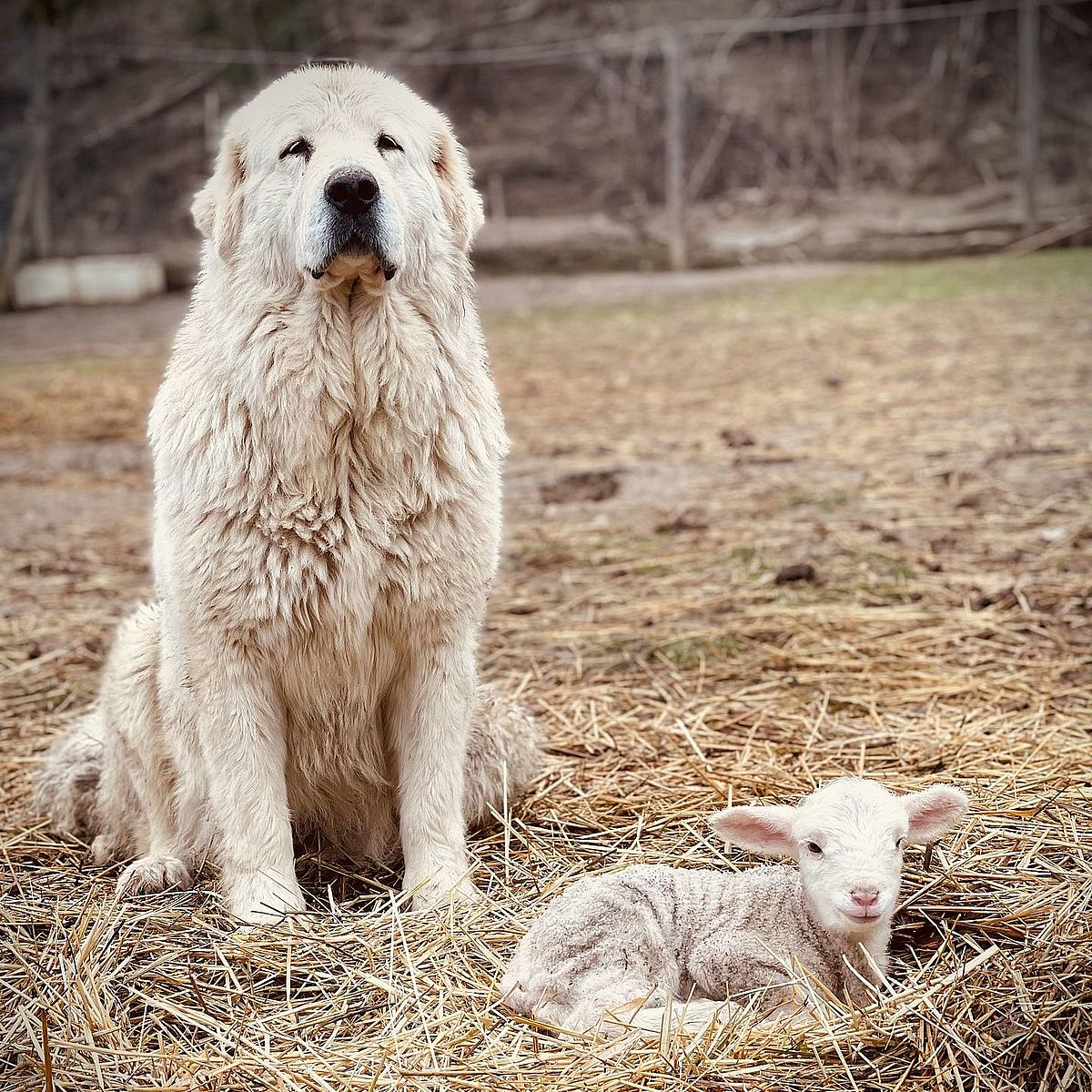
Italian livestock guarding breeds
Our wolf-deterrent dog breeding
In the heart of the Tortona Hills, a borderland in Eastern Piedmont and a long-standing strategic crossroads of peoples, cultures, and traditions, Italy's first Canine Biopark has been created. This unique place, conceived as a space for the protection, enhancement, and conservation of Italian working and guarding dog breeds, deeply rooted in our country's rural and pastoral history. Here, we breed Sila Sheepdogs and Abruzzese-Maremma Sheepdogs, dogs that have worked alongside humans for centuries to limit wildlife damage to agriculture and livestock, respecting natural and biological balances.
We are not a conventional breeding facility — by choice, by method, and by vision.
We are a center dedicated to selection, functional breeding, and the training of livestock guardian and working dogs, with over fifteen years of hands-on experience in preparing dogs to serve livestock farming and multi-species protection
Areas of use of our dogs
Further information
The latest published articles
Electrified Fences and Livestock Guardian Dogs: Allies, Not Alternatives
Electric fences are not a replacement for guard dogs: they are a support tool that, if properly integrated, increases their effectiveness in…
When is a Livestock Guardian Dog Truly Operational?
"At six months they are with the flock, at one year they are working." Are we sure livestock protection is just a matter of age?
How many livestock guardian dogs does a farm really need?
It is probably one of the most common questions livestock farmers and animal owners ask: "How many dogs do I need to protect my livestock?" Let's find…
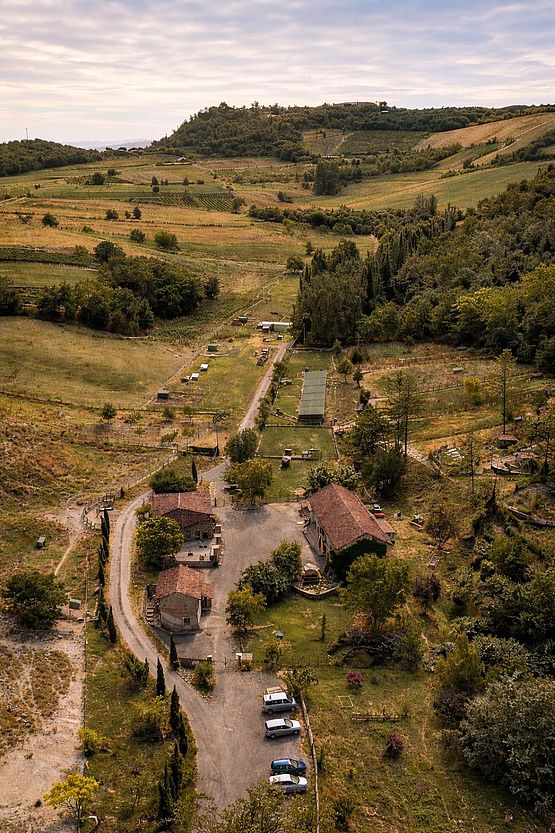
Beyond breeding
an ethical, biological, and welfare-oriented model
Our organization was founded and has developed in full compliance with the regulations governing animal husbandry. However, it goes beyond mere regulatory adherence, embracing in a genuine and comprehensive way the concept of psychophysical well-being. At the core of the project are the dogs, as well as all the animals that share their environment and daily balance within the estate: alpacas, goats, sheep, pigs, and poultry, all integrated into a harmonious system that respects their ethological needs.
This is a unique and innovative breeding project, conceived with a modern and professional approach, yet deeply rooted in tradition, nature, and the local territory. It deliberately distances itself from intensive farming systems and so-called “puppy mills,” adopting an ethical and sustainable model that qualifies as extensive, organic breeding.
At the same time, we do not identify with the outdated concept of amateur or hobby breeding, which is often lacking in the necessary expertise, proper health authorizations, and adequate genetic resources. Even when driven by passion, an unstructured approach cannot ensure true animal welfare without a comprehensive management strategy. For this reason, our Biopark adopts a rigorous and responsible methodology, based on knowledge, planning, and long-term vision.
Il Pastore Transumante is also a center for education and awareness. We promote programs aimed at the public and schools, addressing topics related to the conservation of Italian agro-silvo-pastoral biodiversity. We provide in-depth information on the breeds we work with, their regional natural habitats, and the possibilities—already tested or currently under development—for their integration into working contexts beyond the family environment.
Over time, the estate’s rich spontaneous vegetation has been complemented by the introduction of various plant species, creating an environment of significant aesthetic value and transforming the Biopark into a true living agricultural museum. A place actively engaged in both in situ and ex situ conservation of rare Italian working dog breeds, with particular focus on wolf-deterrent livestock guardian dogs.
Cani da protezione, allevamento estensivo e Bioparco
The Gardian Breeds From Italy
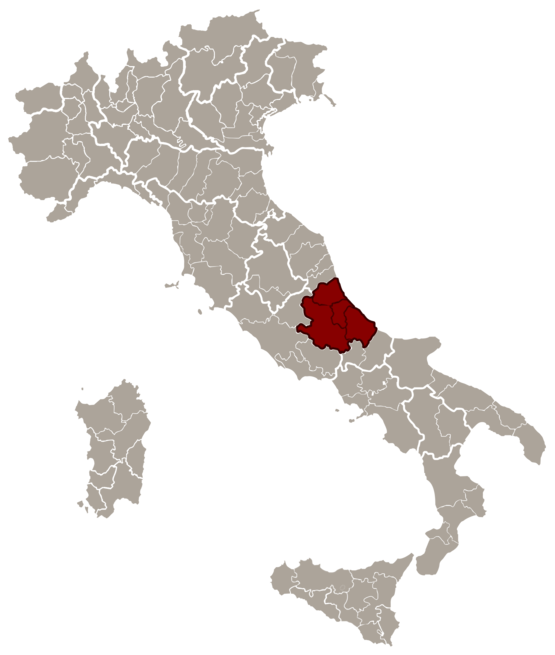
Maremma Shepherd
Region of origin: Abruzzo.
It is the indisputable King among the Italian shepherding breeds. Extraordinarily strong, rustic and courageous, ideal for multiple uses. It is a dog for many, but not for everyone.
Over time the selection has made it more domesticated and less intolerant towards strangers. It has become a great family dog, but though to some extent it has mitigated its guarding attitude, we are able to provide working line dogs to those who may need them for livestock or property-guarding.
Sila Shepherd
Region of origin: Calabria
A rare and rough gem of the Italian dog-breeding heritage that always makes people talk about.
Very well built, charming appearance, majestic and noble. Great and dynamic guardian dog, it distinguishes itself as an honest family companion dog.
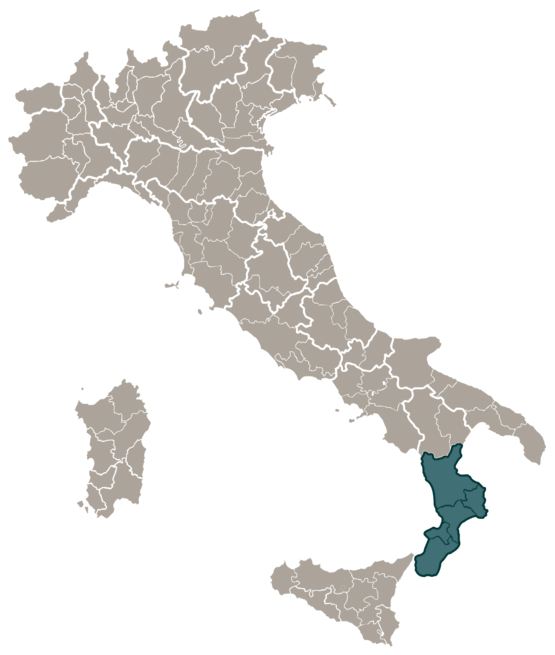
Pastore dellaSila has been historically used for guarding Capra Nicastrese, a local Calabrian goats’ breed that shows the same typical black-and white coat pattern as the Sila shepherd. This breed is perfect if kept in a pack of 3-5 dogs, that is also the perfect number to keep the wolf and other possible predators at bay.
Cane Fonnese
Region of origin: Sardinia.
Not really a shepherding dog, it is better defined as the shepherd’s dog, due to its being more dependent on human intervention that the other two great Italian shepherds -Maremma and Sila.
“Monkeyish” expression and rapacious eyes, strong jaws, long and somewhat rasta-style hair, courageous, cooperation spirit: these features make it an essential auxiliary for Sardinian shepherds from the dawn of time.
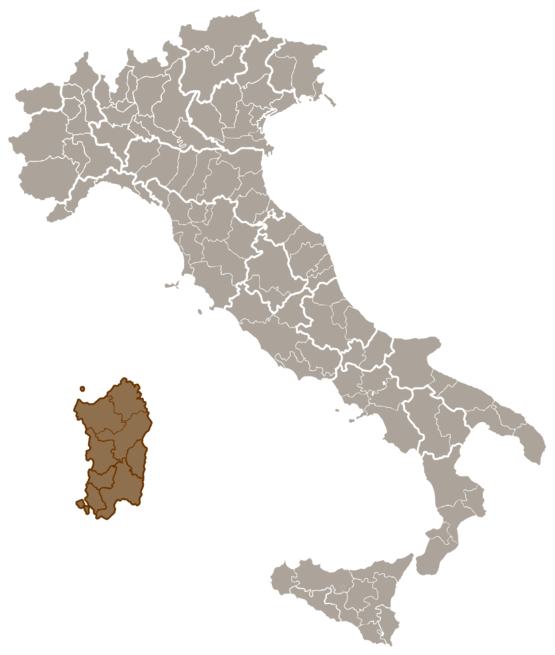
Though it does have a certain guardian dog predisposition, it is less guided by instinct and more related to the cooperation with man. An ancient breed, but with modern present and future. Its history is inextricably related to the Sardinian populations and its attitude is closely linked to the lack of wolf that would prey the sheep herds in Sardinia.
Spino degli Iblei
Region of origin: Sicily.
Beautiful, with messy hair, it’s the Sicilian dog’s charm. Rustic and spartan dogs, that live in herd to this day. They are independent and very attached to the herd, on which they depend, with very few resources available in the “Mannare” (farms), in which they reside.
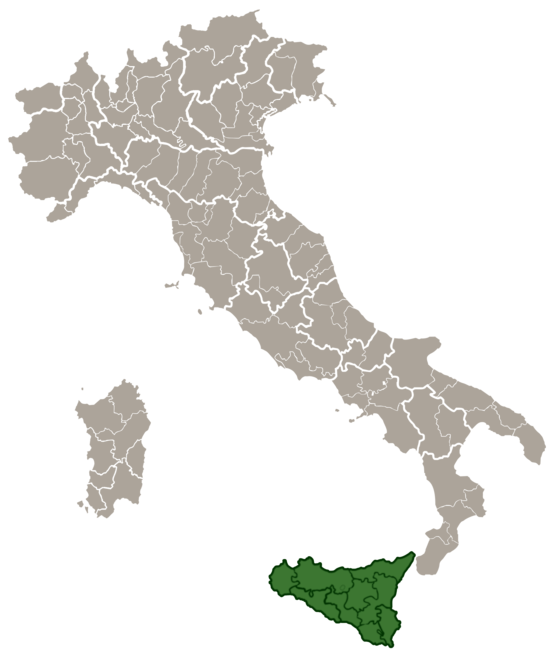
In Sicily, the wolf has not been present for over a century; today the role of the Sicilian shepherd is to protect the herd from rustling or other stray dog assaults. SpinodegliIblei is ideal as a court or henhouse dog, being very pacific with cats and other courtyard animals.
About Us
National Selection Center for Italian Guardian Dogs
Excellence in breeding wolf-deterrent dogs to support coexistence between pastoralism, biodiversity, and large carnivores.
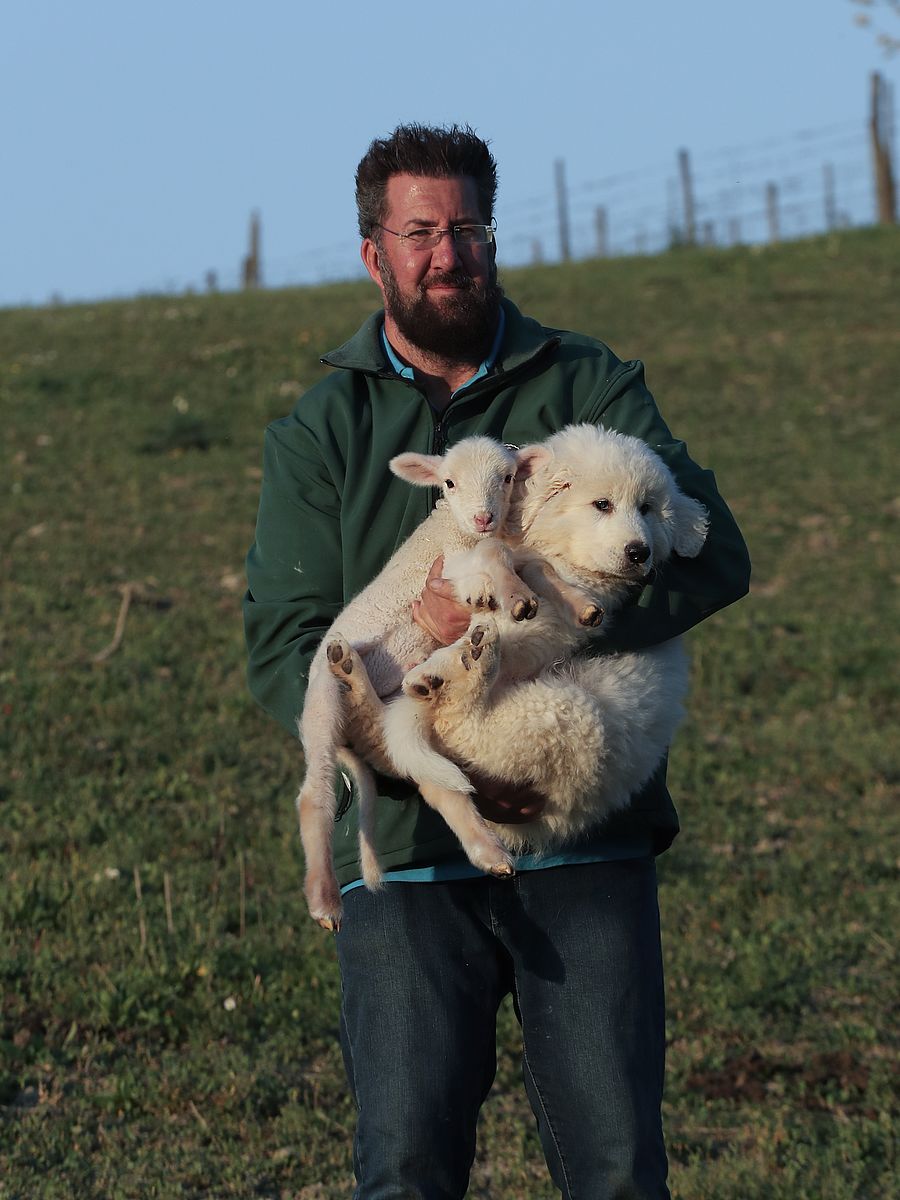
Our National Selection Center for Italian Guardian Dogs is now recognized as a benchmark and a point of absolute excellence in the breeding of wolf-resistant livestock guarding dogs. We select and promote traditional Italian herding breeds, the fruit of a thousand-year-old pastoral tradition and a true expression of Italy's canine biodiversity.
The breeding of wolf-resistant livestock guarding dogs has a clear and concrete objective: to reduce conflicts between livestock farming and wildlife, enabling true coexistence between wolves and pastoralists in inland areas. Our work has a direct and positive impact on the rural economy, particularly on the supply chain of traditional cheese and agricultural and pastoral products, thanks to the prevention of predation and the protection of livestock. We actively support traditional extensive livestock farming, promoting a sustainable model of coexistence with large carnivores.
We breed exclusively Italian livestock guarding dogs and are recognized as a national reference center in this specific market niche. The Maremma Sheepdog is the most widespread breed, but the distinctive element of our work lies in the promotion of ancient and extraordinary breeds such as the Sila Sheepdog (Calabria). These breeds expand and enrich the possibilities for flock protection, offering diversified and targeted solutions to those who work in pastoralism or wish to protect their livestock.
Pastoral tradition is a fundamental value for us, but it is constantly reinterpreted through a scientific approach, applied to the behavioral, genetic, and environmental assessments of our dogs. This method allows us to address a current issue with modern tools, without distorting its historical essence.
Despite Italian legislation often not updated with the most recent findings on animal welfare, our dogs live in conditions that fully respect their ethological needs. Within 18 hectares of usable and exercise areas, the dogs grow up in functional groups, sharing space with sheep, alpacas, cattle, donkeys, and chickens, depending on the type of livestock they will be protecting in their future. This process is based on careful exospecific and coevolutionary training, starting from a very young age.
Thanks to this approach, we can specialize each dog based on the client's specific needs, ensuring reliable, long-lasting results that are consistent with their intended use. This unique breeding approach in Italy makes our work unmatched by any other breeder and represents a true guarantee for those who choose our livestock guardian dogs.
Italian national canine organisation

federation cynologique internationale

Why a Dog Biopark?
A model of extensive and sustainable organic farming
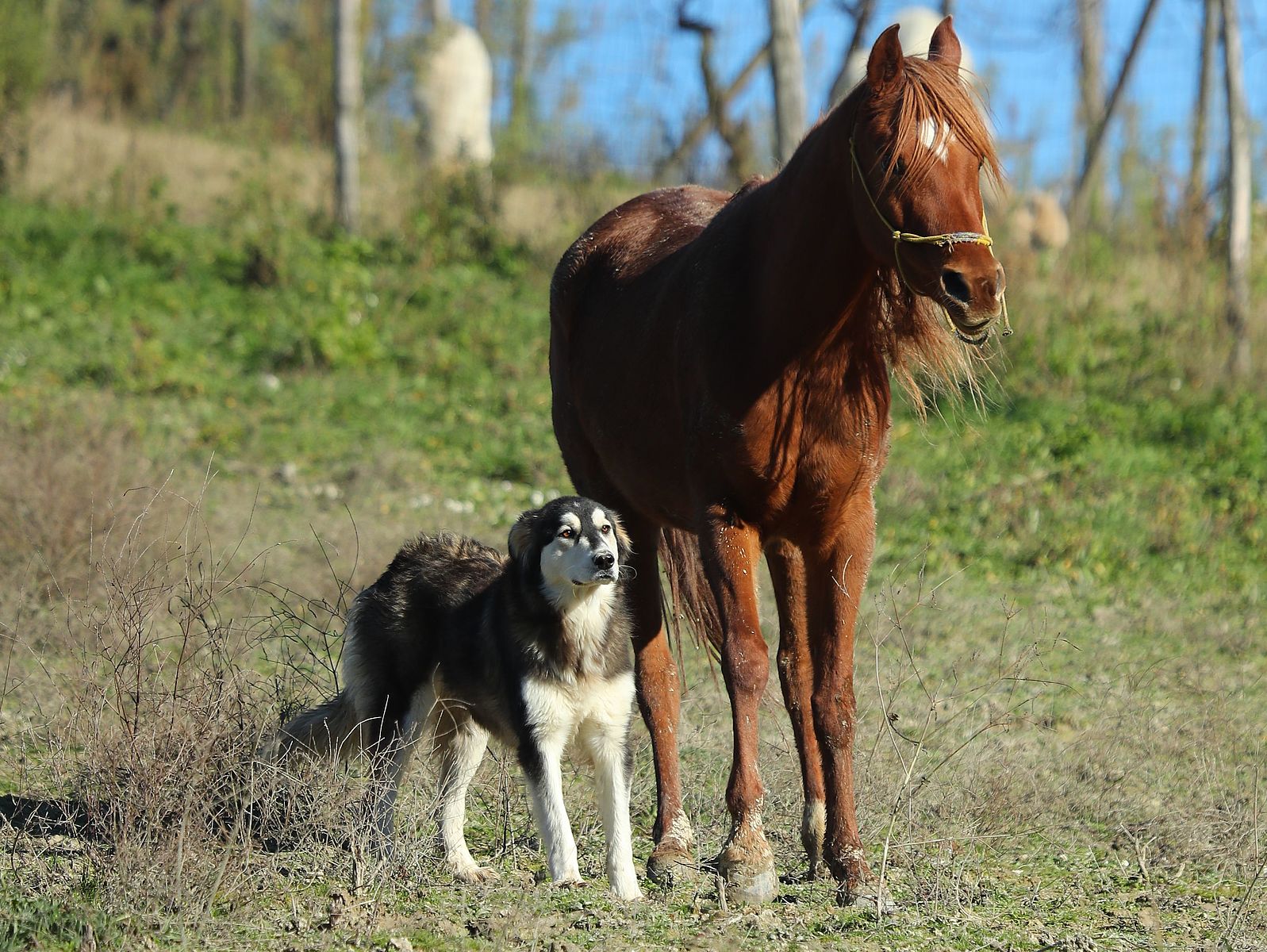
The Pastore Transumante is home to Italy's first Dog Biopark: a vibrant, authentic place where dogs aren't simply bred, but grow up immersed in a true balance of animals, the land, the seasons, and a profound relationship with humans.
Here, each dog is part of a complex and harmonious system, designed to respect its nature and enhance its innate abilities. This model stems from ancient pastoral traditions, knowledge passed down over time, and a modern vision of animal husbandry, one that views biodiversity not as a limitation, but as a value to be protected.
The Dog Biopark is a biological ecosystem where the selection, growth, and training of working dogs take place in the context for which they are destined to live: the real world. It is here that dogs designed for today's animal husbandry, for coexistence with wildlife, and for a sustainable future take shape.
Active for over fifteen years, today Il Pastore Transumante is the largest Italian center entirely dedicated to guard dogs and one of the very few authentic references in Europe: a place where expertise, vision and respect for nature meet every day.
The wolf
Using DOGS to fight WOLVES...
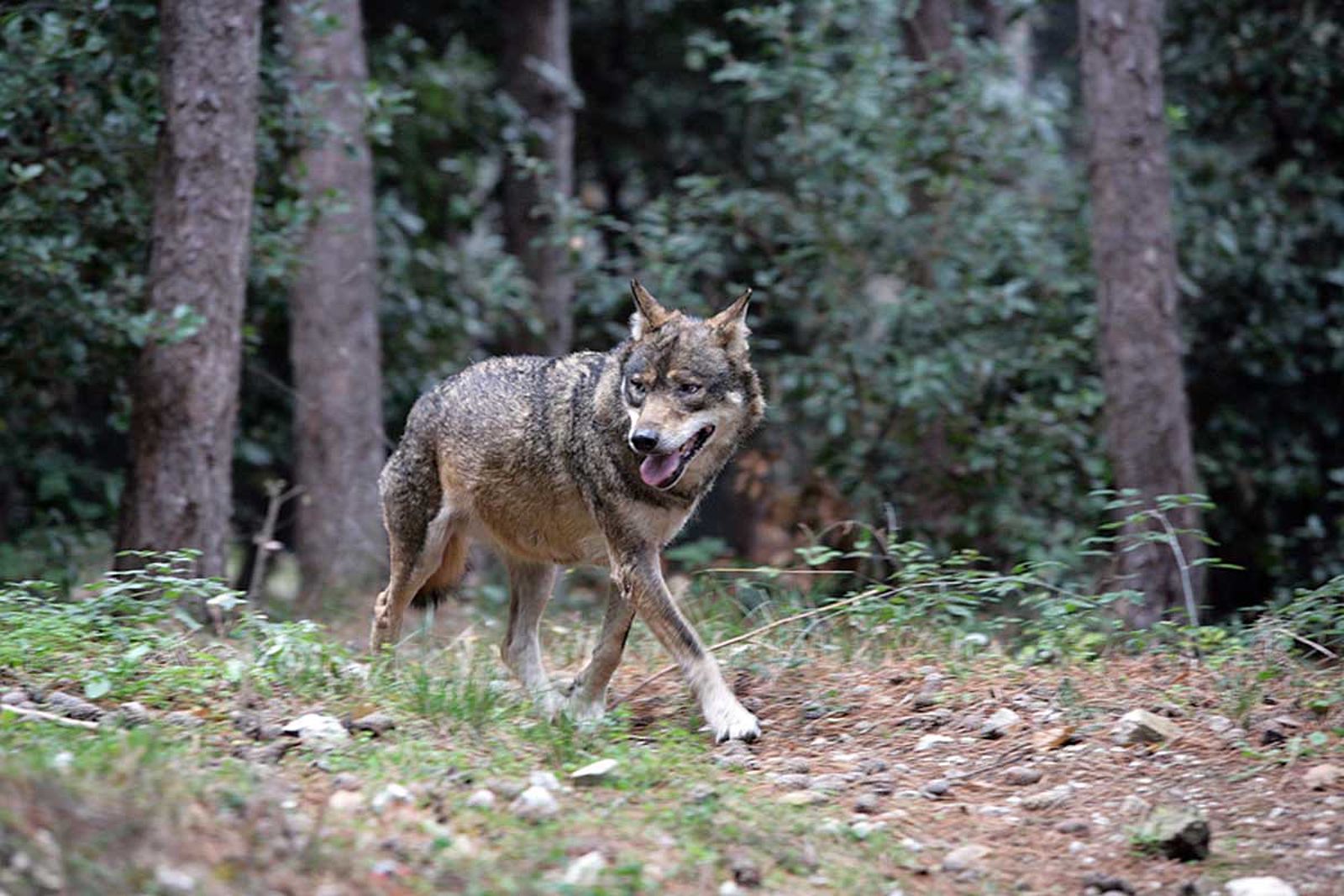
The wolf has returned, reclaiming lands abandoned for decades by shepherds and farmers. A natural return, made possible by the species' extraordinary ability to adapt and the comprehensive protection introduced in the 1970s to prevent its extinction, a real risk at the time.
An iconic species and key predator, the wolf plays a fundamental role in natural balance: it regulates ungulate populations, protects rural landscapes, and contributes to the health of ecosystems. But it is also a presence deeply rooted in our culture, traditions, and collective imagination, an emblem of freedom, strength, and wild nature.
The wolf's absence has for years favored the uncontrolled growth of ungulates, causing enormous damage to agriculture and the landscape, often greater than that caused by the predator itself. Today, its presence is stable and widespread, even in peri-urban areas and on the outskirts of large cities, as demonstrated by increasingly frequent sightings and images.
This expansion, however, has not been accompanied by adequate monitoring or effective management and prevention strategies. In many livestock farms, predation on sheep, goats, cattle, and horses has become a real problem, resulting in significant economic losses and often delayed or insufficient compensation.
The conflict between wolf protection and human activities has thus become more acute, fueling fruitless conflicts. Our vision is different: we believe in a balanced approach that places the entire mountain and pasture ecosystem at its center. This delicate system has for centuries found its equilibrium thanks to prevention and conscious management practices, which are now more essential than ever.
In the Apennine pastures, the coexistence of wolves and livestock has historically been ensured by guard dogs, particularly the Maremma Sheepdog and the Sila Sheepdog.
Today, public tenders support prevention tools, but often only fund the purchase of the dogs, without proper selection, training, and management, thus reducing their effectiveness. Not all guard dogs are suited to work: the aptitude for defense is innate and must be enhanced with appropriate genetic selection and imprinting.
Gallery
Video
[Translate to Inglese:] Insegnare al cucciolo a non mordicchiare
[Translate to Inglese:] Detto Pastore Siciliano o Spino degli Iblei, è il cane da pastore autoctono siciliano.
[Translate to Inglese:] Pastore Maremmano e bambini … Le Regole da conoscere e da applicare per facilitare la convivenza.
[Translate to Inglese:] Educazione cinofila bambini
[Translate to Inglese:] Pastore della Sila scopriamo il cane da capra di Calabria.
[Translate to Inglese:] Pastore maremmano cane guida
[Translate to Inglese:] Maremmano adulto, lavaggio semplice ed efficace.
[Translate to Inglese:] Maremmano: accoppiamento, parto e cura dei cuccioli